Principal Investigators

Postdoc
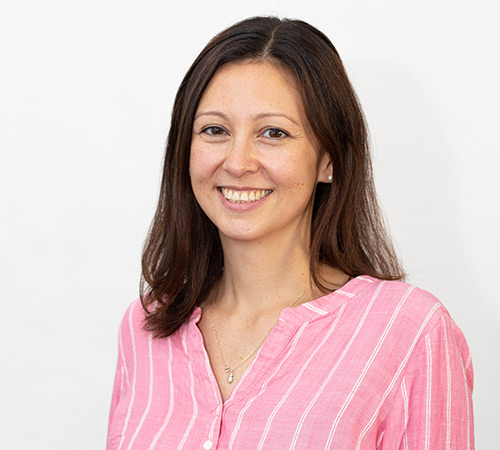
Sarah Beck studied Biomedicine at the University of Würzburg and completed her PhD at the Rudolf Virchow Center for Experimental Biomedicine in 2018 with summa cum laude. Following a research stay at the Medical University in Vienna (Prof. Johannes Schmid), she recently returned to Würzburg. Using her broad and profound technical skill set, including intravital confocal microscopy, generation of novel monoclonal antibodies in mice and rats and genetically modified (humanized) mouse models, her primary research interest now focuses on the cross-talk between platelets, in particular their adhesion receptors, coagulation and endothelial cells to ensure vascular integrity and homeostasis in healthy and disease conditions. In her recent research Sarah has identified the platelet glycoprotein V (GPV) as a central modulator of thrombotic, haemostatic, and thrombo-inflammatory processes, laying the groundwork for new therapeutic strategies to address a range of thrombo-inflammatory disease processes. Her broad research work has resulted in numerous peer-reviewed articles and two patents published.
Projects by Sarah Beck: P02
Institute of Experimental Biomedicine
University Hospital Würzburg
Josef-Schneider-Str. 2 / D15
97080 Würzburg
Germany
sarah.beck@uni-wuerzburg.de
https://www.platelets.eu/

Markus Bender completed his biomedicine studies at the University of Würzburg, followed by his
PhD at the Rudolf Virchow Center for Experimental Biomedicine. He then moved to the United
States with a fellowship funded by the German Research Foundation (DFG) to work at the Harvard
Medical School in Boston. In 2015, he established at the University Hospital Würzburg his research group funded by the Emmy Noether Programme of the DFG, serving as an independent junior research group leader. Since 2022, he has held the position of Heisenberg Professor for Cardiovascular Cell Biology. His laboratory is focused on unraveling the complex mechanisms governing megakaryocyte differentiation and platelet production under (patho)physiological conditions. Specifically, he seeks to elucidate what triggers megakaryocytes to generate platelets, how the biochemical and structural complexity of the microenvironment influences megakaryocyte behaviour, and how alterations in bone marrow megakaryocytes impact platelet function. One particular objective is to decipher how age-related
changes in the bone marrow compartment, driven by low-grade chronic inflammation, influence the
platelet phenotype and contribute to thrombo-inflammatory conditions.
Projects by Markus Bender: P05
Institute of Experimental Biomedicine
University Hospital Würzburg
Josef-Schneider-Str. 2 / D15
97080 Würzburg
Germany
bender_M1@ukw.de
https://www.platelets.eu/biomed/bender/

Prof. Dr. Anna Frey
Projects by Anna Frey: P03
University Hospital Würzburg
Department of Internal Medicine I
Director: Prof. Dr. med. Stefan Frantz
Oberdürrbacher Str. 6-8
97078 Würzburg
Germany
frey_a@ukw.de
https://www.ukw.de/medizinische-klinik-i/kardiologie/team/kardiologie-detail/name/frey-anna/

Prof. Dr. Georg Gasteiger
Professor (W3) and Chair of the Institute of Systems Immunology
Georg Gasteiger is a full professor and cofounder of the Würzburg Institute and Max-Planck Research Group of Systems Immunology. He studied Medicine in Munich, Vienna, Buenos Aires and New York, and specialized in Medical Microbiology and Virology in Munich, followed by a Postdoc at the Memorial Sloan Kettering Cancer Center in New York.
Georg is an expert in the biology of immune cells in tissues. His lab investigates the interactions of lymphocytes with the various tissues of the body. The group has made fundamental contributions to the tissue-specific development and regulation of the innate and adaptive immune systems in various organs. Using genetic mouse models, single-cell and spatial transcriptomics, and multiplex imaging, Georg’s team investigates how immune cells adapt to different tissue contexts, how they function within local cellular networks and how the underlying mechanisms contribute to the defence against infections or tumours or to the development of inflammatory diseases.
With support from an ERC Starting Grant, his lab established sequential infection models that mimic repeated pathogen exposure and aspects of immune senescence. These models are now being used to explore how an experienced immune system shapes homeostasis, tissue repair and pathology. The aim of the current ERC Synergy Grant he coordinates is to develop, within an international consortium, new strategies for the treatment of metastases, based on insights into fundamental mechanisms of tissue immunology.
Projects by Georg Gasteiger: P05
Institute of Systems Immunology
University of Würzburg
Versbacher Str. 9 (E6)
97078 Würzburg
Germany
georg.gasteiger@uni-wuerzburg.de
https://www.med.uni-wuerzburg.de/en/systemimmunologie
Dr. Tamara Girbl-Huemer
Projects by Tamara Girbl: P06
Rudolf Virchow Center
University of Würzburg
Josef-Schneider-Str. 2 / D15
97080 Würzburg
Germany
tamara.girbl@uni-wuerzburg.de
https://www.uni-wuerzburg.de/en/rvz/research-groups/girbl-group/

Katrin Heinze, Dr. rer. nat. is the Chair of Molecular Microscopy at the Rudolf Virchow Center (RVZ) since 2020, and the speaker of the RVZ since 2024.
Her scientific work mainly deals with the development of fluorescence methods and their biomedical application on various spatiotemporal scales from the single molecule to the whole organ. Bridging biophysical and medical research is the main strength of her work. She has pioneered several spectroscopic and imaging tools such as Fluorescence-Cross-Correlation (FCCS) in live cells, mirror-enhanced fluorescence for super-resolution imaging or multidimensional imaging pipelines. Katrin Heinze also leads the Core Unit Fluorescence Imaging of the Medical Faculty of the JMU, and has built customized light-sheet fluorescence microscopes, mostly operating in the far-red, that allows whole-organ vascular imaging murine bone marrow, brain and heart, with high contrast and resolution. Together with other members of the RTG, her developments were key for several seminal publications where whole-organ 3D-imaging lead to a new model of megakarypoiesis or revealed mechanisms of various platelet-related diseases. Beyond, she teaches and advertises advanced image analysis with great enthusiasm so that everyone, most importantly the next generation of scientists, can use the powerful tool of high-resolution imaging to decipher mechanisms of thrombo-inflammation.
Projects by Katrin Heinze: P01, P08
Rudolf Virchow Center
University of Würzburg
Josef-Schneider-Str. 2 / D15
97080 Würzburg
Germany
katrin.heinze@uni-wuerzburg.de
https://www.uni-wuerzburg.de/en/rvz/forschungsgruppen/heinze-lab/

Dr. Zoltan Nagy leads an independent laboratory at the Institute of Experimental Biomedicine, University Hospital Würzburg, Germany, dedicated to elucidating the critical role of phosphorylation-dependent signal transduction pathways in megakaryocyte development and platelet production. Supported by the prestigious DFG Emmy Noether Program, the group of Dr. Nagy employs an interdisciplinary approach, utilizing a broad spectrum of cutting-edge methods — such as single-cell RNA sequencing, biochemical analytical methods, advanced genomic technologies (including CRISPR editing and transgenic mouse models), along with in situ and in vivo imaging — to shed new light on megakaryocyte and platelet biology.
Dr. Nagy completed his PhD with Dr. Albert Smolenski at the UCD Conway Institute, University College Dublin, Ireland, and his postdoctoral training with Prof. Yotis Senis at the Institute of Cardiovascular Sciences, University of Birmingham, UK, where he focused on the regulation of platelet reactivity by kinases and phosphatases. Subsequently, he joined the Institute of Experimental Biomedicine in Würzburg, where he developed his research programme on signalling pathways that regulate megakaryocyte maturation and platelet biogenesis.
Projects by Zoltan Nagy: P04
Institute of Experimental Biomedicine
University Hospital Würzburg
Josef-Schneider-Str. 2 / D15
97080 Würzburg
Germany
nagy_z@ukw.de
https://www.platelets.eu/biomed/nagy-lab/
Prof. Dr. Bernhard Nieswandt (RTG3190 coordinator)
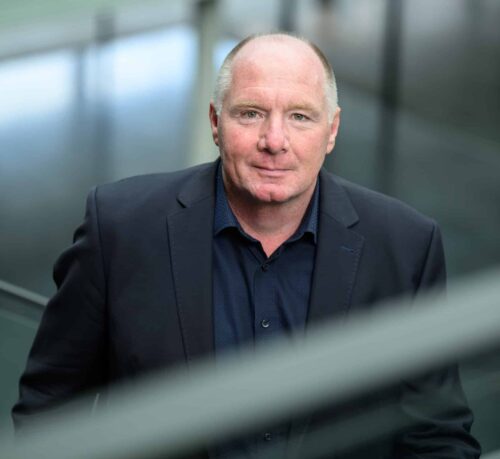
Bernhard Nieswandt studied biology and biochemistry in Regensburg and Canterbury (UK). From the beginning of his studies, his focus was already on platelets and inflammation, an entirely new research field at this time, and he developed the world’s first antibodies against mouse platelet receptors, which became important tools in the study of these cells.
After his habilitation in experimental medicine, completed at the University of Witten/Herdecke, a prestigious Heisenberg-Fellowship, awarded by the DFG in 2002, allowed him to pursue his basic scientific research at the University of Würzburg, where he has been advancing cardiovascular and neurovascular research with groundbreaking discoveries ever since. He was the first to establish a research group in the newly founded Rudolf Virchow Center, University of Würzburg, and was appointed head of the Chair of Experimental Biomedicine I in 2008. He was coordinator and spokesperson of two DFG-funded research consortia: CRC 688 “Cardiovascular cell-cell interactions” and CRC/TR240 “Platelets”.
With his team, he has laid the foundation for two medications: a Factor XIIa inhibitor from CSL Behring and GPVI inhibitors, which have just entered clinical phase III studies. He has published over 320 papers, cited more than 26,000 times.
In April 2024, Bernhard Nieswandt received a prestigious ERC Advanced Grant for his groundbreaking research.

Projects by Michael Schuhmann: P07
Department of Neurology
University Hospital Würzburg
Josef-Schneider-Str. 11 / B02
97080 Würzburg
Germany
schuhmann_m@ukw.de
https://www.ukw.de/neurologie/team/neurologie-detail/name/schuhmann-michael/
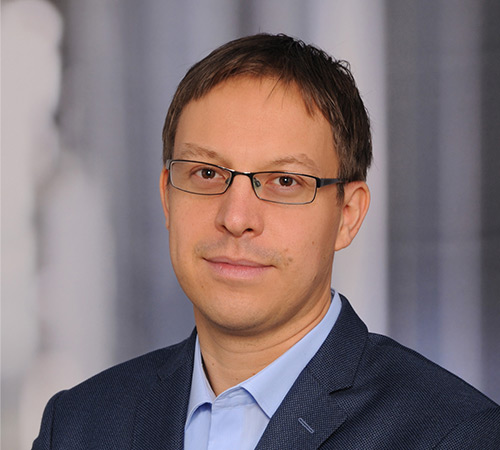
Professor (W2) for Vascular Imaging
Projects by David Stegner: P06, P07
Rudolf Virchow Center
University of Würzburg
Josef-Schneider-Str. 2 / D15
97080 Würzburg
Germany
david.stegner@uni-wuerzburg.de
https://www.platelets.eu/biomed/stegner/
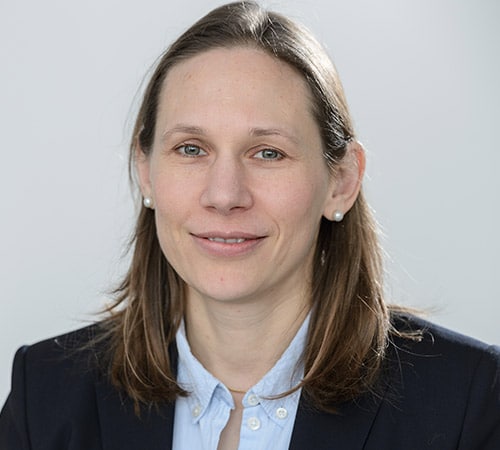
Prof. Zernecke-Madsen studied medicine at the Ludwig-Maximilians-University Munich, where she also completed her Doctoral Thesis (2004). After postdoctoral fellowships at the University Hospital of the RWTH Aachen (2004-2009) and the Cardiovascular Research Institute Maastricht (2007-2008), she become Heisenberg fellow and Junior Research Group Leader at the Rudolf-Virchow-Center of the University Würzburg (2009-2012). After an Assistant Professorship at the Technische Universität München (TUM, 2012-2013), she is now Chair of the Institute of Experimental Biomedicine II of the University Hospital Würzburg since 2014. Prof. Zernecke-Madsen’s laboratory is interested in vascular inflammation, including the cross-talk of platelets with immune and vascular cells, and the role of immune cells in cardiovascular diseases with a focus on atherosclerosis and myocardial infarction.
Projects by Alma Zernecke-Madsen: P02
Institute of Experimental Biomedicine
University of Würzburg
Josef-Schneider-Str. 2 / D16
97080 Würzburg
Germany
zernecke_a@ukw.de
https://www.ukw.de/forschung-lehre/institut-fuer-experimentelle-biomedizin/experimentelle-biomedizin-lehrstuhl-ii/experimentelle-biomedizin-lehrstuhl-ii/
Doctoral Researchers

Blumenthal, Clemens
Clemens obtained a Bachelor‘s degree in Molecular Life Science at the University of Lübeck and a Master’s degree at the University of Konstanz. In May 2026, he started his PhD in the Zernecke Lab in Würzburg. His project is going to focus on the interplay of the two platelet receptors CLEC-2 and GPV and their influence on vascular integrity.
Institute of Experimental Biomedicine, Chair II
University Hospital Würzburg
Josef-Schneider-Str. 2 / D16
97080 Würzburg, Germany
Phone: +49 931 ….
Email: blumenthal_C@ukw.de

Brauchle, Luca
Luca Brauchle obtained his Bachelor’s degree in Biochemistry from the Georg-August University of Göttingen and a Master’s degree in Biochemistry and Molecular Biology from the University of Bayreuth. In May 2026, he started his PhD in the Schuhmann Lab in the Department of Neurology at the University Hospital Würzburg within the RTG3190 consortium. His research focuses on investigating how platelet activation influences inflammatory processes and collateral failure during hyperacute ischaemic stroke. As part of a collaborative project, he investigates how platelet-immune cell interactions contribute to vascular dysfunction and blood-brain barrier damage, and whether targeting platelet receptors improves outcomes in acute ischaemic stroke.
AG Schuhmann
Neurologische Klinik und Poliklinik des Universitätsklinikums | Kopfkliniken
Josef-Schneider-Straße 11 | Haus B1
97080 Würzburg
Email: Brauchle_L@UKW.de

Cousin, Alexandre
associated PhD student; member of the ERC-funded PITT-Inflame project

Grütz, Noah
Noah graduated with a Bachelor’s and Master’s degree in Biomedicine from the University of Würzburg. As part of the first cohort of the RTG 3190, he started his PhD in the lab of Prof. Bender in May of 2026 working on Project 05. He investigates the impact of immunosenescence caused by pathogens or ageing on megakaryocyte and platelet biology, focusing on how the ageing immune system within the bone marrow affects megakaryocyte and platelet function. His approach includes experimental mouse and infection models as well as functional assays of immune cells and platelets, with the aim to help understand age-related changes in platelet function and cardiovascular risk.
phone: +49 931 201-48359
Email: gruetz_n@ukw.de

Keß, Cornelia
More information coming soon.
Schulze Lab
Institute of Experimental Biomedicine – Chair I
University Hospital Würzburg Josef-Schneider-Str. 2 / D16
97080 Würzburg, Germany
Phone: +49 931 201-…
Email: Kess_C@ukw.de

Keole, Kshipra Shrikant
More information coming soon.
More information coming soon.
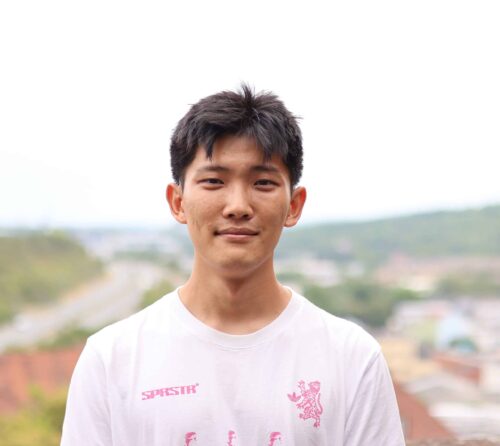
Kim, Jee Su
Jee Su completed his Bachelor of Pharmacy in South Africa before pursuing a Master’s degree in Pharmaceutics at University College London. His Master’s research focused on the application of machine learning to pharmaceutical manufacturing, fostering an interest in working at the interface of medical and computational research. In May 2026, he joined the Rudolf Virchow Center in Würzburg as a PhD student under the supervision of Prof. Dr Katrin Heinze and Prof. Dr Harald Schulze. His current research focuses on developing computational approaches to improve the analysis and interpretation of platelet flow chamber experiments to gain deeper insights into thromboinflammation in sepsis.
Email: Jee.kim@uni-wuerzburg.de
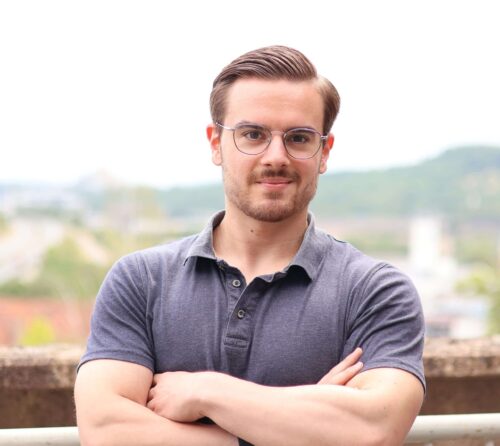
Kraft, Niklas
Niklas obtained both his Bachelor’s and Master’s degrees in Biomedicine at the Julius-Maximilians-Universität Würzburg, where he developed expertise in platelet biology and immunology. After completing his Master’s thesis in the Stegner Lab, he is continuing there as a doctoral candidate within the RTG. His project (P07) investigates the role of platelets in collateral vessel failure during hyperacute ischemic stroke. Using murine stroke models combined with advanced microscopy, he aims to elucidate how platelet–immune cell interactions contribute to vascular dysfunction and infarct progression. Ultimately, the goal is to identify molecular targets for safe and effective add-on therapies that complement vessel recanalization in ischemic stroke patients.
Stegner Lab
Institute of Experimental Biomedicine – Chair I
University Hospital Würzburg Josef-Schneider-Str. 2 / D15
97080 Würzburg, Germany
Phone: +49 931 31-99814
Email: Kraft_N2@ukw.de

Le, Thanh-Nguyen
Thanh Nguyen obtained both her Bachelor’s degree in Biotechnology and Master’s degree in Microbiology at the University of Science, Vietnam National University, Ho Chi Minh City. Prior to her doctoral studies, she worked as an R&D Research Associate, building expertise in translational genomics and immunopeptidomics. Her project investigates the transcriptional reprogramming of megakaryocytes and platelet biogenesis in systemic inflammation by integrating cellular immunology with multi-omics approaches, including single-cell RNA sequencing. Her research aims to elucidate how inflammatory microenvironments shape megakaryopoietic lineage commitment and platelet production during sepsis. Ultimately, the goal is to unravel critical molecular mechanisms and identify novel immunomodulatory targets in thrombo-inflammatory conditions.
Nagy Lab
Institute of Experimental Biomedicine – Chair I
University Hospital Würzburg Josef-Schneider-Str. 2 / D16
97080 Würzburg, Germany
Phone: +49 931 201-48375
Email: Le_T1@ukw.de

Olarinoye, Zainab
Zainab earned her Bachelor’s degree in Physiology from the University of Ilorin, Nigeria, and was awarded a BK21 (Brain Korea 21) research scholarship to pursue a Master’s degree in Biomedical Sciences at Kyungpook National University, South Korea. Her Master’s thesis identified Akkermansia muciniphila– derived extracellular vesicles as modulators of blood pressure and inflammation in murine models of essential hypertension. In May 2026, she joined the Girbl Group at the Rudolf Virchow Center in Würzburg as a doctoral researcher within the RTG3190 program. Her PhD research focuses on platelet-pericyte interactions in thrombo-inflammatory responses, investigating their roles in leukocyte extravasation, vascular permeability, and microvascular dysfunction during inflammatory responses and ischaemic stroke. By combining intravital microscopy, genetic mouse models, and cellular approaches, she aims to understand how platelet-driven vascular inflammation impairs tissue perfusion, with the goal of identifying novel therapeutic targets.
Rudolf Virchow Center for Integrative and Translational Bioimaging
University of Würzburg
Josef-Schneider-Strasse 2, Haus D15
97080 Würzburg
Germany
Phone: +49 931 31-83634
Email: Zainab.olarinoye@uni-wuerzburg.de
https://scholar.google.com/Zainab Olarinoye

Shemshadi, Sahel
Sahel obtained her Bachelor’s degree in Cellular and Molecular Biology from Kharazmi University, Iran, and subsequently completed a Master’s degree in Cellular Biology and Immunology at the University of Würzburg.
In May 2025, she joined the Nieswandt Lab at the Rudolf Virchow Center as a doctoral researcher under the supervision of Dr. Sarah Beck. As a member of the RTG-funded Thrombo-Inflame program, her research focuses on the interplay between GPV and CLEC-2 and its impact on platelet–immune cell interactions. By applying a broad range of immunological approaches, she investigates the phenotype and underlying effector mechanisms of GPV/CLEC-2 double-knockout models. Her work aims to advance our understanding of platelet-mediated immune regulation and the molecular mechanisms governing platelet–immune cell communication.
Institute of Experimental Biomedicine I
University Hospital and Rudolf Virchow Center Würzburg
University of Würzburg Josef-Schneider-Straße 2
97080 Würzburg (Germany)
Building: D15 / Room: 02.010
Email: Shemshadi_S@ukw.de
Phone:

Yue, Xiaoshuang
Xiaoshuang obtained her Bachelor’s degree in Pharmacy from Shandong First Medical University and her Master’s degree in Pharmacology from Shenyang Pharmaceutical University. During her Master’s thesis, she investigated mechanisms of tyrosine kinase inhibitor resistance in acute myeloid leukemia. In May 2026, she joined the research group of Bernhard Nieswandt as a PhD student. Her doctoral research focuses on platelet ITAM/ITIM receptor signaling crosstalk in thrombo-inflammation and inflammatory hemostasis, with the goal of using antibody-based modulators targeting G6b-B and CLEC-2 to investigate their functions in platelets.
Institute of Experimental Biomedicine I
University Hospital and Rudolf Virchow Center Würzburg
University of Würzburg Josef-Schneider-Straße 2
97080 Würzburg (Germany)
Building: D15 / Room: 02.010
Email: Yue_X@ukw.de
Phone:
Administration
RTG 3190
Universitätsklinikum Würzburg
Universität Würzburg
Josef-Schneider-Str. 2, Building D15
97080 Würzburg
Phone: +49 931-31 81457
Email: siegmann_k@ukw.de
You are currently viewing a placeholder content from Default. To access the actual content, click the button below. Please note that doing so will share data with third-party providers.
More Information